Pet Care Tips
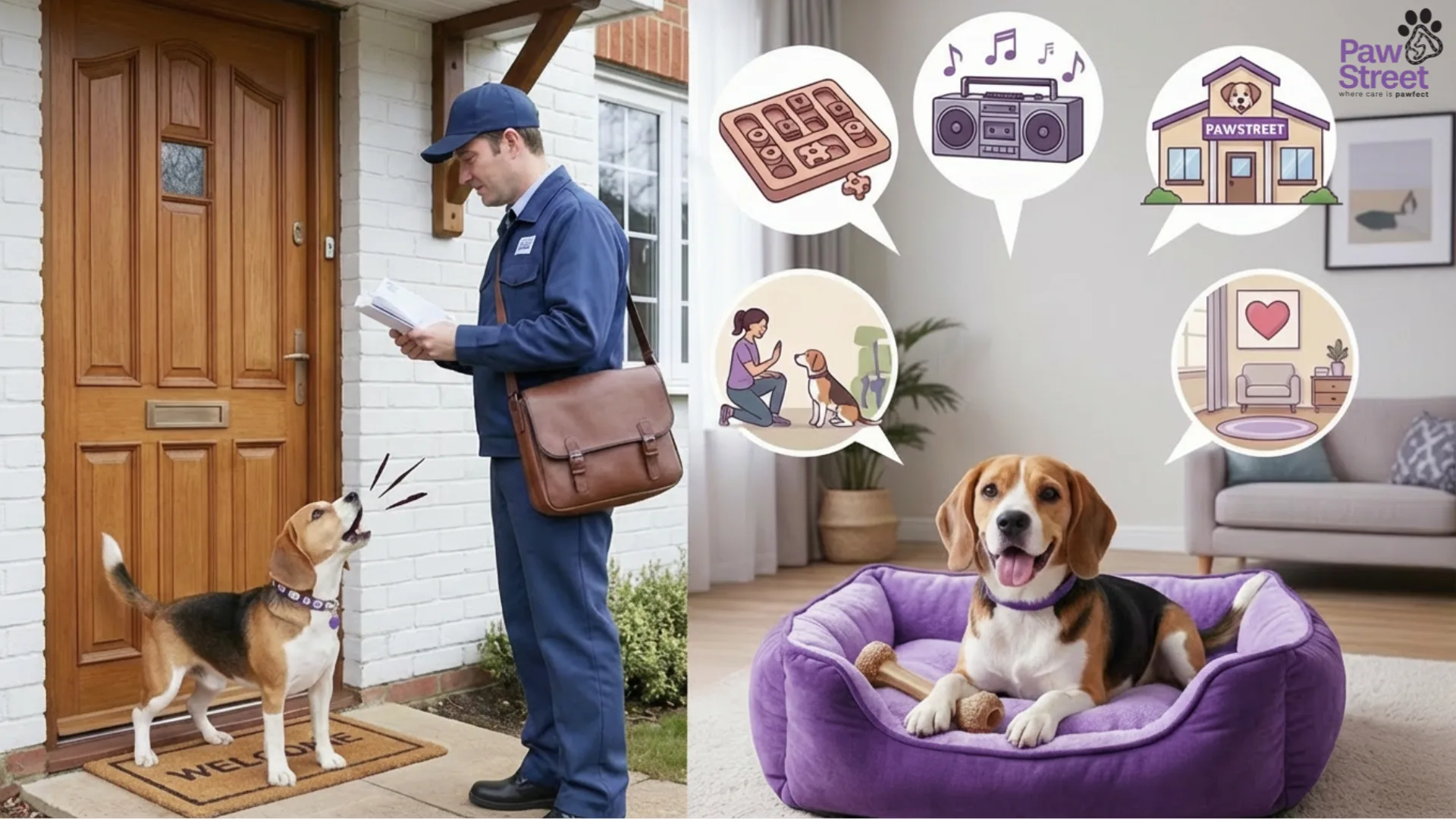
How to Handle Separation Anxiety in Dogs: A Practical Guide for Pet Parents
Separation anxiety is one of the most common behavioral issues in dogs, yet many pet owners misunderstand it. What may look like simple barking or restlessness is often a deeper emotional response to being left alone.
If your dog becomes destructive, noisy, or unusually anxious when you leave, it’s important to understand the root cause and take the right steps to manage it.
What Is Separation Anxiety in Dogs?
Separation anxiety happens when a dog feels stressed or insecure without their owner. Dogs are naturally social animals, and some struggle more than others when left alone.
Common Signs to Watch For
Excessive barking or whining
Destructive behavior like chewing furniture
Scratching doors or windows
Pacing or restlessness
Accidents inside the house
These signs usually appear shortly after the owner leaves and may stop once they return.
Why Dogs Develop Separation Anxiety
Understanding the cause helps in finding the right solution.
Sudden Changes in Routine
A new work schedule, relocation, or lifestyle change can confuse your dog and create anxiety.
Lack of Mental Stimulation
Dogs that don’t get enough exercise or playtime may develop stress when left alone.
Past Experiences
Rescue dogs or pets that have experienced abandonment are more likely to develop separation anxiety.
Over-Attachment
Dogs that are constantly around their owners may struggle when they suddenly have to spend time alone.
How to Reduce Separation Anxiety
Managing separation anxiety takes patience and consistency. Quick fixes rarely work, so a gradual approach is best.
Start with Short Absences
Leave your dog alone for short periods and slowly increase the duration. This helps them adjust without feeling overwhelmed.
Create a Safe Space
Set up a comfortable area with their bed, toys, and familiar scents. This gives them a sense of security.
Use Mental Stimulation
Interactive toys and puzzle feeders can keep your dog occupied and reduce boredom.
Avoid Emotional Goodbyes
Long, emotional departures can increase anxiety. Keep your exits and returns calm and simple.
The Role of Routine and Environment
Dogs feel more secure when they have a predictable routine.
Maintain Consistency
Feed, walk, and play with your dog at the same time every day. A structured routine reduces uncertainty.
Provide Physical Exercise
Regular exercise helps release energy and reduces stress levels, making it easier for your dog to relax when alone.
When Professional Help Is Needed
Sometimes, home strategies are not enough. If your dog shows severe anxiety, professional care can make a big difference. A structured environment with trained caregivers can help your dog feel safe and engaged during the day. Services like dog daycare Dubai provide supervised interaction, playtime, and a routine that reduces anxiety. For pet owners looking for a reliable solution, pet daycare Dubai options offer a balanced mix of care, activity, and rest. You can also explore trusted pet care Dubai services that focus on both emotional and physical wellbeing.
Common Mistakes Pet Owners Make
Avoiding these mistakes can speed up your dog’s recovery.
Punishing the Behavior
Punishment does not solve anxiety, it increases fear and confusion.
Ignoring the Problem
Separation anxiety rarely improves on its own without intervention.
Inconsistent Training
Irregular routines can make the problem worse.
Long-Term Solutions for a Happier Dog
Separation anxiety can be managed successfully with the right approach. Focus on building your dog’s confidence and independence over time. Consistency, patience, and a supportive environment are key. Small changes in daily routine can lead to significant improvements in your dog’s behavior.
Final Thoughts
Separation anxiety is not just a behavioral issue it’s an emotional response that needs understanding and care. By identifying the signs early and taking the right steps, you can help your dog feel more secure and relaxed. A combination of training, routine, and professional support ensures your pet stays happy even when you’re not around.



" height="27.8975px" id="K2qvFlAEe" width="28.0006px"/></svg>)
" height="9.927252310568274px" id="Q7K6FUOgO" transform="translate(2.346 18.698)" width="9.956894739727677px"/><path d="M 0 13.938 C 0 6.24 6.24 0 13.938 0 C 21.636 0 27.877 6.24 27.877 13.938 C 27.877 21.636 21.636 27.877 13.938 27.877 C 6.24 27.877 0 21.636 0 13.938 Z" fill="rgb(114, 60, 166)" height="27.8768px" id="AQYttJYGl" transform="translate(1.471 1)" width="27.876799999999996px"/><path d="M 10.812 0 C 4.902 0 0.092 4.8 0.09 10.699 C 0.089 12.586 0.584 14.427 1.521 16.049 L 0 21.593 L 5.684 20.105 C 7.266 20.962 9.024 21.409 10.808 21.408 L 10.812 21.408 C 16.722 21.408 21.532 16.607 21.534 10.708 C 21.536 7.85 20.421 5.161 18.397 3.139 C 16.372 1.116 13.681 0.001 10.812 0 Z M 10.812 19.6 L 10.809 19.6 C 9.21 19.6 7.641 19.172 6.273 18.361 L 5.946 18.168 L 2.574 19.051 L 3.475 15.768 L 3.263 15.432 C 2.373 14.026 1.899 12.381 1.9 10.699 C 1.902 5.796 5.9 1.807 10.816 1.807 C 13.196 1.808 15.433 2.734 17.116 4.415 C 18.799 6.096 19.725 8.33 19.724 10.707 C 19.722 15.611 15.724 19.6 10.812 19.6 Z M 15.701 12.939 C 15.432 12.806 14.115 12.159 13.869 12.069 C 13.624 11.98 13.446 11.934 13.267 12.202 C 13.089 12.47 12.575 13.072 12.42 13.25 C 12.263 13.429 12.106 13.45 11.838 13.317 C 11.57 13.183 10.707 12.901 9.684 11.99 C 8.887 11.281 8.35 10.406 8.193 10.138 C 8.037 9.871 8.177 9.726 8.311 9.593 C 8.431 9.474 8.579 9.281 8.712 9.125 C 8.846 8.969 8.89 8.857 8.98 8.679 C 9.069 8.501 9.025 8.344 8.958 8.211 C 8.89 8.076 8.355 6.761 8.131 6.226 C 7.914 5.705 7.693 5.775 7.529 5.766 C 7.372 5.759 7.195 5.757 7.015 5.757 C 6.837 5.757 6.546 5.824 6.301 6.091 C 6.055 6.359 5.363 7.005 5.363 8.321 C 5.363 9.638 6.323 10.909 6.457 11.087 C 6.591 11.265 8.346 13.966 11.034 15.125 C 11.673 15.399 12.172 15.564 12.561 15.688 C 13.203 15.892 13.787 15.862 14.249 15.794 C 14.763 15.717 15.834 15.147 16.056 14.523 C 16.28 13.899 16.28 13.364 16.213 13.252 C 16.148 13.141 15.969 13.074 15.701 12.939 Z" fill="rgb(255, 255, 255)" height="21.5928px" id="cwFPzOXWW" transform="translate(4.675 4)" width="21.53423131772721px"/></svg>)