Pet Health
Pet Care Tips
How to Relocate Your Pet from Dubai or UAE Safely: Complete Guide to Pet Relocation Services
How to Relocate Your Pet from Dubai or UAE Safely: Complete Guide to Pet Relocation Services
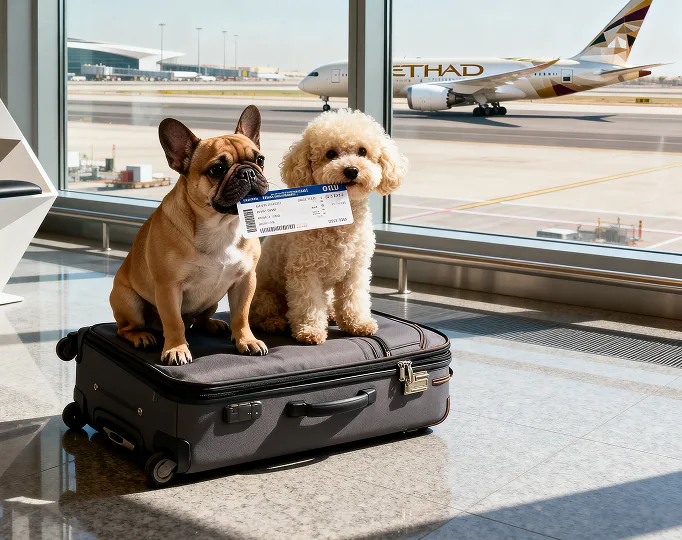
Moving to another country is a big change, especially when you have a dog or cat at home. Your pet is part of your family, so making sure they travel safely is just as important as planning your own journey.
If you are planning to move abroad from Dubai, start preparing your pet several weeks or even months before your departure. The process may involve vaccinations, microchipping, health certificates, travel permits and airline arrangements. The exact requirements depend on the country you are moving to.
This guide explains how to prepare your pet for international travel from Dubai, what documents you may need and how to make the journey more comfortable for your furry family member.

1. Check the Pet Travel Rules of Your Destination
Before booking your flight, check the pet import rules of the country you are moving to. Every country has different requirements for dogs and cats.
Some countries allow pets to enter with basic health documents, while others require additional tests, permits or quarantine periods.
Check the following requirements:
Minimum age for pets entering the country
Microchip identification
Rabies vaccination
Other required vaccinations
Rabies antibody titre test, if applicable
Import permits
Veterinary health certificates
Quarantine rules
Do not assume that the rules are the same for every country. Contact the destination country's official animal health authority or speak with a qualified veterinarian before making travel arrangements.
2. Make Sure Your Pet Has a Microchip
A microchip helps identify your pet if they get lost during the journey. It contains a unique identification number that can be checked using a suitable scanner.
Many countries require an ISO-compliant microchip for international pet travel.
Before travelling:
Check whether your pet already has a microchip.
Make sure the microchip number is recorded correctly.
Compare the number with the vaccination card and health documents.
Confirm whether the microchip must be implanted before rabies vaccination.
Keeping all identification details accurate can help prevent problems during document checks.
3. Complete the Required Vaccinations
Vaccinations help protect pets against common infectious diseases. They are also an important part of international travel requirements.
Rabies vaccination is a common requirement for dogs and cats travelling between countries. Some destinations may also request additional vaccinations based on the animal's age, health and travel history.
Before departure:
Check your pet's vaccination records.
Confirm that the rabies vaccination is valid.
Ask your veterinarian about additional required vaccines.
Keep the vaccination booklet or pet passport ready.
Check whether a waiting period applies after vaccination.
Some countries require a rabies antibody titre test. This involves taking a blood sample and sending it to an approved laboratory. The test and any waiting period must be completed according to the destination country's rules.
4. Prepare the Required Travel Documents
Having the correct documents is one of the most important parts of relocating a pet from Dubai.
Missing or incorrect paperwork can cause delays at the airport or create problems when your pet reaches the destination.
Depending on the country, you may need:
Pet vaccination booklet or passport
Microchip details
Rabies vaccination certificate
Rabies titre test results, if required
Destination country import permit
Official veterinary health certificate
Additional test reports or treatment records
Airline booking and transport documents
Check that your pet's name, microchip number and vaccination details are consistent across all documents.
It is also important to understand the difference between a destination country's import permit and the UAE's export health certificate. They are separate documents and may both be required.
5. Apply for the UAE Pet Export Health Certificate
When your dog or cat is leaving the UAE, you will need to follow the applicable export procedures.
The UAE Ministry of Climate Change and Environment (MOCCAE) provides a veterinary health certificate service for exporting or re-exporting live animals.
The general process includes:
Visit the official MOCCAE website.
Find the veterinary health certificate service for exporting or re-exporting animals.
Complete the online application.
Pay the applicable service fee.
Arrange the required physical examination and any laboratory tests.
Submit the necessary supporting documents.
The official export health certificate is valid for 30 days from its date of issue. However, your destination country or airline may have additional timing requirements.
Always check the latest instructions directly with MOCCAE before your departure.
6. Choose a Suitable Travel Crate
Your pet's travel crate plays an important role in keeping them safe during the journey.
Choose a strong, well-ventilated crate that meets your airline's requirements and the applicable IATA Live Animals Regulations.
A suitable crate should:
Give your pet enough room to stand naturally.
Allow your pet to turn around comfortably.
Provide proper ventilation.
Have a secure locking system.
Be suitable for your pet's size and weight.
Meet the airline's transport requirements.
Allow your pet to become familiar with the crate before the travel date. Place a familiar blanket or safe bedding inside if permitted by the airline.
Never wait until the day of departure to introduce your pet to the travel crate.
7. Prepare Your Pet for the Journey
International travel can be stressful for animals, especially those travelling by air for the first time.
A little preparation can make the experience easier.
Here are some practical tips:
Let your pet explore the travel crate before departure.
Maintain a regular feeding and sleeping routine.
Take your dog for suitable exercise before travel.
Keep your pet's familiar belongings ready.
Make sure identification details are attached as required.
Ask your veterinarian about feeding and water arrangements.
Avoid giving sedatives unless specifically advised by a veterinarian.
If your pet has an existing health condition, discuss travel suitability with your veterinarian before booking the flight.
8. Understand Airline Rules for Pet Travel
Not every airline has the same pet transportation policy. Some allow small pets to travel in the cabin, while others require pets to travel in the aircraft's cargo compartment.
Before booking, contact the airline and confirm:
Whether your pet is accepted on the selected route.
Available cabin or cargo transport options.
Crate dimensions and weight limits.
Required travel documents.
Check-in and drop-off procedures.
Restrictions for specific breeds or temperatures.
Also check whether your pet's connecting flights have suitable arrangements. A transit stop may involve additional documentation or handling requirements.
9. Plan Your Pet's Arrival at the New Destination
Your responsibility does not end when your pet boards the flight. It is also important to prepare for their arrival.
Before travelling, confirm the destination airport's pet collection procedure and any customs or veterinary inspection requirements.
After reaching your new home:
Give your pet fresh water.
Provide a quiet and comfortable resting area.
Allow time to adjust to the new surroundings.
Keep their regular food available.
Monitor their behaviour and appetite.
Arrange a local veterinary visit if needed.
Some pets may take a few days to feel comfortable in a new environment. Give them patience, care and enough time to settle in.
10. Why Early Planning Makes Pet Relocation Easier
One of the biggest mistakes pet owners make is starting the relocation process too late.
Some countries have long waiting periods for rabies titre tests or special import procedures. These requirements can affect your travel date if they are not completed on time.
Start checking the rules as soon as you know about your move. Keep copies of all important documents and maintain regular communication with your veterinarian and airline.
If you need help with your pet grooming and care before moving, choosing a reliable pet care center in Dubai can help you prepare your dog or cat for the transition.
Final Thoughts
Relocating your pet from Dubai requires time, preparation and attention to detail. From checking destination rules and completing vaccinations to arranging travel documents and choosing the right crate, every step matters.
Start early, work closely with your veterinarian and confirm all requirements with the relevant authorities and airline. Most importantly, think about your pet's comfort and safety throughout the journey.
With proper planning, you can make the move easier for your pet and help them settle happily into their new home.
Moving to another country is a big change, especially when you have a dog or cat at home. Your pet is part of your family, so making sure they travel safely is just as important as planning your own journey.
If you are planning to move abroad from Dubai, start preparing your pet several weeks or even months before your departure. The process may involve vaccinations, microchipping, health certificates, travel permits and airline arrangements. The exact requirements depend on the country you are moving to.
This guide explains how to prepare your pet for international travel from Dubai, what documents you may need and how to make the journey more comfortable for your furry family member.
1. Check the Pet Travel Rules of Your Destination
Before booking your flight, check the pet import rules of the country you are moving to. Every country has different requirements for dogs and cats.
Some countries allow pets to enter with basic health documents, while others require additional tests, permits or quarantine periods.
Check the following requirements:
Minimum age for pets entering the country
Microchip identification
Rabies vaccination
Other required vaccinations
Rabies antibody titre test, if applicable
Import permits
Veterinary health certificates
Quarantine rules
Do not assume that the rules are the same for every country. Contact the destination country's official animal health authority or speak with a qualified veterinarian before making travel arrangements.
2. Make Sure Your Pet Has a Microchip
A microchip helps identify your pet if they get lost during the journey. It contains a unique identification number that can be checked using a suitable scanner.
Many countries require an ISO-compliant microchip for international pet travel.
Before travelling:
Check whether your pet already has a microchip.
Make sure the microchip number is recorded correctly.
Compare the number with the vaccination card and health documents.
Confirm whether the microchip must be implanted before rabies vaccination.
Keeping all identification details accurate can help prevent problems during document checks.
3. Complete the Required Vaccinations
Vaccinations help protect pets against common infectious diseases. They are also an important part of international travel requirements.
Rabies vaccination is a common requirement for dogs and cats travelling between countries. Some destinations may also request additional vaccinations based on the animal's age, health and travel history.
Before departure:
Check your pet's vaccination records.
Confirm that the rabies vaccination is valid.
Ask your veterinarian about additional required vaccines.
Keep the vaccination booklet or pet passport ready.
Check whether a waiting period applies after vaccination.
Some countries require a rabies antibody titre test. This involves taking a blood sample and sending it to an approved laboratory. The test and any waiting period must be completed according to the destination country's rules.
4. Prepare the Required Travel Documents
Having the correct documents is one of the most important parts of relocating a pet from Dubai.
Missing or incorrect paperwork can cause delays at the airport or create problems when your pet reaches the destination.
Depending on the country, you may need:
Pet vaccination booklet or passport
Microchip details
Rabies vaccination certificate
Rabies titre test results, if required
Destination country import permit
Official veterinary health certificate
Additional test reports or treatment records
Airline booking and transport documents
Check that your pet's name, microchip number and vaccination details are consistent across all documents.
It is also important to understand the difference between a destination country's import permit and the UAE's export health certificate. They are separate documents and may both be required.
5. Apply for the UAE Pet Export Health Certificate
When your dog or cat is leaving the UAE, you will need to follow the applicable export procedures.
The UAE Ministry of Climate Change and Environment (MOCCAE) provides a veterinary health certificate service for exporting or re-exporting live animals.
The general process includes:
Visit the official MOCCAE website.
Find the veterinary health certificate service for exporting or re-exporting animals.
Complete the online application.
Pay the applicable service fee.
Arrange the required physical examination and any laboratory tests.
Submit the necessary supporting documents.
The official export health certificate is valid for 30 days from its date of issue. However, your destination country or airline may have additional timing requirements.
Always check the latest instructions directly with MOCCAE before your departure.
6. Choose a Suitable Travel Crate
Your pet's travel crate plays an important role in keeping them safe during the journey.
Choose a strong, well-ventilated crate that meets your airline's requirements and the applicable IATA Live Animals Regulations.
A suitable crate should:
Give your pet enough room to stand naturally.
Allow your pet to turn around comfortably.
Provide proper ventilation.
Have a secure locking system.
Be suitable for your pet's size and weight.
Meet the airline's transport requirements.
Allow your pet to become familiar with the crate before the travel date. Place a familiar blanket or safe bedding inside if permitted by the airline.
Never wait until the day of departure to introduce your pet to the travel crate.
7. Prepare Your Pet for the Journey
International travel can be stressful for animals, especially those travelling by air for the first time.
A little preparation can make the experience easier.
Here are some practical tips:
Let your pet explore the travel crate before departure.
Maintain a regular feeding and sleeping routine.
Take your dog for suitable exercise before travel.
Keep your pet's familiar belongings ready.
Make sure identification details are attached as required.
Ask your veterinarian about feeding and water arrangements.
Avoid giving sedatives unless specifically advised by a veterinarian.
If your pet has an existing health condition, discuss travel suitability with your veterinarian before booking the flight.
8. Understand Airline Rules for Pet Travel
Not every airline has the same pet transportation policy. Some allow small pets to travel in the cabin, while others require pets to travel in the aircraft's cargo compartment.
Before booking, contact the airline and confirm:
Whether your pet is accepted on the selected route.
Available cabin or cargo transport options.
Crate dimensions and weight limits.
Required travel documents.
Check-in and drop-off procedures.
Restrictions for specific breeds or temperatures.
Also check whether your pet's connecting flights have suitable arrangements. A transit stop may involve additional documentation or handling requirements.
9. Plan Your Pet's Arrival at the New Destination
Your responsibility does not end when your pet boards the flight. It is also important to prepare for their arrival.
Before travelling, confirm the destination airport's pet collection procedure and any customs or veterinary inspection requirements.
After reaching your new home:
Give your pet fresh water.
Provide a quiet and comfortable resting area.
Allow time to adjust to the new surroundings.
Keep their regular food available.
Monitor their behaviour and appetite.
Arrange a local veterinary visit if needed.
Some pets may take a few days to feel comfortable in a new environment. Give them patience, care and enough time to settle in.
10. Why Early Planning Makes Pet Relocation Easier
One of the biggest mistakes pet owners make is starting the relocation process too late.
Some countries have long waiting periods for rabies titre tests or special import procedures. These requirements can affect your travel date if they are not completed on time.
Start checking the rules as soon as you know about your move. Keep copies of all important documents and maintain regular communication with your veterinarian and airline.
If you need help with your pet grooming and care before moving, choosing a reliable pet care center in Dubai can help you prepare your dog or cat for the transition.
Final Thoughts
Relocating your pet from Dubai requires time, preparation and attention to detail. From checking destination rules and completing vaccinations to arranging travel documents and choosing the right crate, every step matters.
Start early, work closely with your veterinarian and confirm all requirements with the relevant authorities and airline. Most importantly, think about your pet's comfort and safety throughout the journey.
With proper planning, you can make the move easier for your pet and help them settle happily into their new home.

Support and Guidance
for Your pet’s needs
Support and Guidance
for Your pet’s needs
How early should I start planning pet relocation from Dubai?
Is a microchip compulsory for international pet travel?
Do I need an export health certificate to take my pet out of Dubai?
Can my dog or cat travel with me in the aircraft cabin?
Does every country require a rabies titer test?
How can I make international travel less stressful for my pet?
Can I relocate my pet without professional assistance?
Stay up to date
By subscribing you agree to pur privacy policy

" height="27.8975px" id="K2qvFlAEe" width="28.0006px"/></svg>)
" height="9.927252310568274px" id="Q7K6FUOgO" transform="translate(2.346 18.698)" width="9.956894739727677px"/><path d="M 0 13.938 C 0 6.24 6.24 0 13.938 0 C 21.636 0 27.877 6.24 27.877 13.938 C 27.877 21.636 21.636 27.877 13.938 27.877 C 6.24 27.877 0 21.636 0 13.938 Z" fill="rgb(114, 60, 166)" height="27.8768px" id="AQYttJYGl" transform="translate(1.471 1)" width="27.876799999999996px"/><path d="M 10.812 0 C 4.902 0 0.092 4.8 0.09 10.699 C 0.089 12.586 0.584 14.427 1.521 16.049 L 0 21.593 L 5.684 20.105 C 7.266 20.962 9.024 21.409 10.808 21.408 L 10.812 21.408 C 16.722 21.408 21.532 16.607 21.534 10.708 C 21.536 7.85 20.421 5.161 18.397 3.139 C 16.372 1.116 13.681 0.001 10.812 0 Z M 10.812 19.6 L 10.809 19.6 C 9.21 19.6 7.641 19.172 6.273 18.361 L 5.946 18.168 L 2.574 19.051 L 3.475 15.768 L 3.263 15.432 C 2.373 14.026 1.899 12.381 1.9 10.699 C 1.902 5.796 5.9 1.807 10.816 1.807 C 13.196 1.808 15.433 2.734 17.116 4.415 C 18.799 6.096 19.725 8.33 19.724 10.707 C 19.722 15.611 15.724 19.6 10.812 19.6 Z M 15.701 12.939 C 15.432 12.806 14.115 12.159 13.869 12.069 C 13.624 11.98 13.446 11.934 13.267 12.202 C 13.089 12.47 12.575 13.072 12.42 13.25 C 12.263 13.429 12.106 13.45 11.838 13.317 C 11.57 13.183 10.707 12.901 9.684 11.99 C 8.887 11.281 8.35 10.406 8.193 10.138 C 8.037 9.871 8.177 9.726 8.311 9.593 C 8.431 9.474 8.579 9.281 8.712 9.125 C 8.846 8.969 8.89 8.857 8.98 8.679 C 9.069 8.501 9.025 8.344 8.958 8.211 C 8.89 8.076 8.355 6.761 8.131 6.226 C 7.914 5.705 7.693 5.775 7.529 5.766 C 7.372 5.759 7.195 5.757 7.015 5.757 C 6.837 5.757 6.546 5.824 6.301 6.091 C 6.055 6.359 5.363 7.005 5.363 8.321 C 5.363 9.638 6.323 10.909 6.457 11.087 C 6.591 11.265 8.346 13.966 11.034 15.125 C 11.673 15.399 12.172 15.564 12.561 15.688 C 13.203 15.892 13.787 15.862 14.249 15.794 C 14.763 15.717 15.834 15.147 16.056 14.523 C 16.28 13.899 16.28 13.364 16.213 13.252 C 16.148 13.141 15.969 13.074 15.701 12.939 Z" fill="rgb(255, 255, 255)" height="21.5928px" id="cwFPzOXWW" transform="translate(4.675 4)" width="21.53423131772721px"/></svg>)
Stay up to date
By subscribing you agree to pur privacy policy

Redefining petcare
on Every Street
Policies
Contact Us
Stay up to date
By subscribing you agree to pur privacy policy
Subscribe to our newsletter
and get 10% Off Your Next Visit
Drop your email and we'll send you a discount code you can use on your
next visit. No spam, just the occasional update from the Paw Street family.
Stay up to date
By subscribing you agree to pur privacy policy
Redefining petcare
on Every Street