Pet Health
Pet Care Tips
Grooming
What Your Pet’s Fur Condition Says About Their Overall Health: A Pet Parent’s Guide.
What Your Pet’s Fur Condition Says About Their Overall Health: A Pet Parent’s Guide.
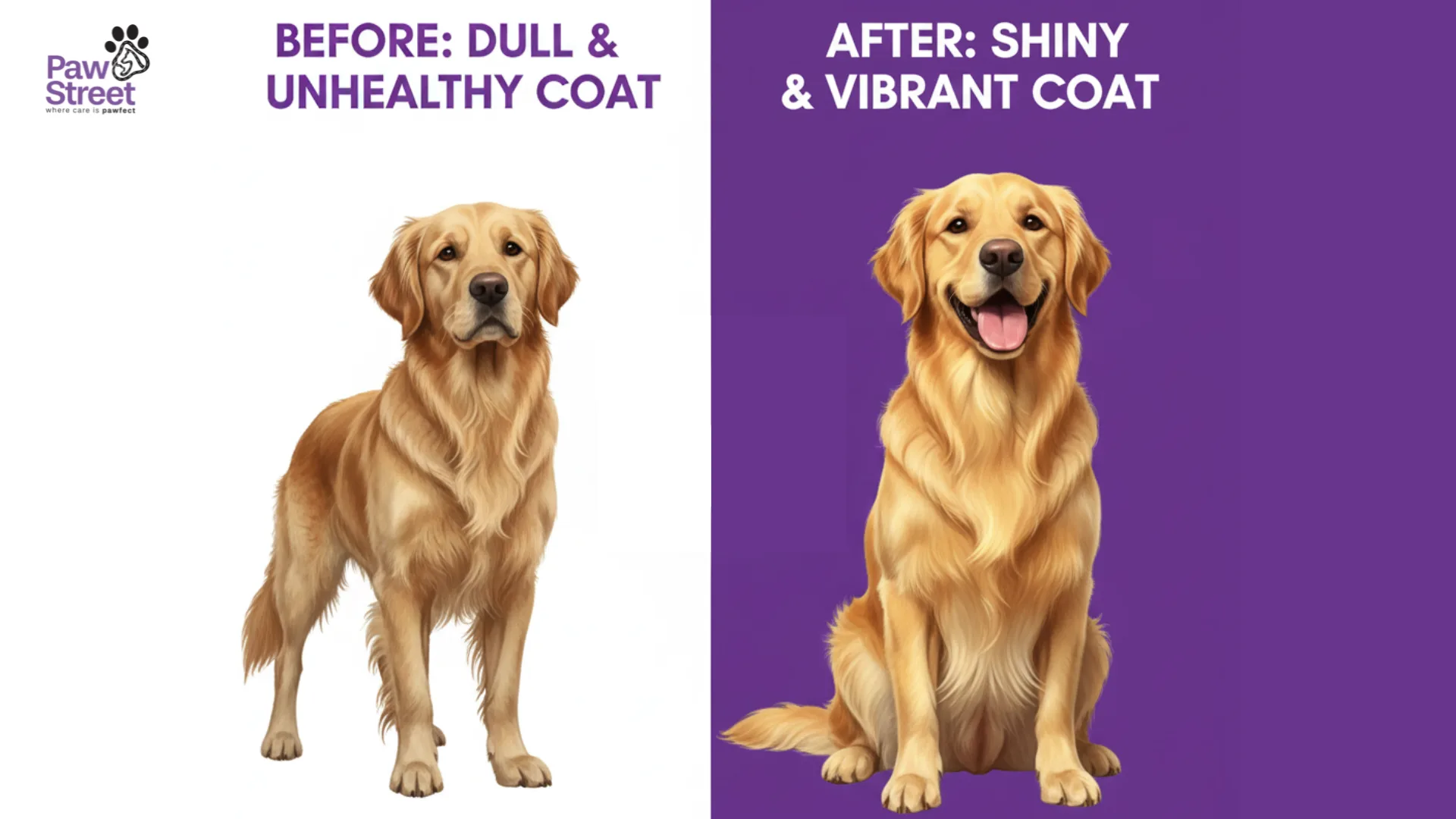
Your pet’s fur is more than just a part of their appearance. It can also give you useful clues about their overall health. A clean, soft and well-maintained coat is often a sign of good daily care. However, dry fur, excessive shedding, bald patches or constant itching may indicate that something needs attention.
As a pet parent, checking your dog’s or cat’s coat regularly can help you notice changes early. Regular brushing, a balanced diet, enough water and proper hygiene all play an important role in keeping your pet comfortable.
Dubai’s warm weather, dust and outdoor activities can also affect your pet’s skin and coat. This guide explains what different fur conditions may mean and how you can take better care of your pet.

1. What Does Your Pet’s Fur Say About Their Health?
Your pet’s coat can reflect their daily care, nutrition and general condition. A healthy coat is usually clean and comfortable to touch. However, coat texture and appearance can vary depending on the breed, age and natural hair type.
Here are some common fur conditions to look out for.
Soft and Shiny Fur
A soft and naturally shiny coat is generally a good sign. It may indicate that your pet is receiving proper nutrition and regular care.
To maintain a healthy coat:
Brush your pet regularly.
Provide fresh drinking water.
Feed a balanced diet suitable for their age.
Use pet-safe products when bathing.
Follow a regular coat care routine.
Remember that not every healthy pet will have naturally shiny fur. Some breeds have different coat textures.
Dry, Rough or Dull Fur
If your pet’s fur becomes dry, rough or dull, it may need attention. Possible reasons include frequent bathing, unsuitable shampoo, poor coat care, environmental conditions or nutritional problems.
Dubai’s dry weather, dust and indoor air conditioning may also affect your pet’s skin and coat.
You can help by brushing gently, avoiding unnecessary baths and using products made specifically for pets. If the condition continues, consult a veterinarian.
Excessive Hair Shedding
Some shedding is normal for both dogs and cats. However, sudden or excessive hair loss should not be ignored.
Possible causes include seasonal shedding, stress, parasites, allergies or other health conditions.
Regular brushing helps remove loose hair and keeps the coat manageable. If you notice bald patches or sudden changes in shedding, ask a veterinarian for advice.
2. Common Fur Problems Pet Parents Should Notice
Checking your pet’s coat during brushing can help you identify changes before they become more serious.
Matted Fur and Knots
Long-haired dogs and cats can develop knots when loose hair becomes tangled. If mats are not removed, they may pull on the skin and cause discomfort.
Pay attention to areas behind the ears, under the legs, around the neck and near the tail.
Brush gently and avoid pulling at knots. Severely tangled fur may need professional attention. Do not cut mats close to your pet’s skin at home because accidental injuries can happen.
Bald Patches or Uneven Hair Loss
Bald patches are not always caused by poor coat care. They may be linked to skin irritation, parasites, allergies or other medical conditions.
If you notice unusual hair loss, redness or sores, arrange a veterinary check instead of trying different products without knowing the cause.
Itching, Redness and Flaky Skin
If your pet scratches often, has red skin or develops flakes, something may be irritating their skin.
Possible reasons include allergies, parasites, infections or unsuitable products. Avoid using human shampoos or strong fragrances. A veterinarian can help identify the cause and recommend suitable treatment.
Unusual Smell from the Coat
A strong or unusual smell may come from dirt, moisture trapped in the fur or a skin problem.
Regular cleaning can help maintain hygiene. However, if the smell continues even after cleaning, consult a veterinarian rather than simply covering it with scented products.
3. How Regular Coat Care Helps Dogs and Cats
Regular coat care is important for both appearance and comfort. It helps remove loose hair, reduce tangles and keep your pet clean.
A good routine may include:
Brushing: Removes loose hair and helps prevent knots.
Bathing: Removes dirt when your pet needs a bath.
Nail trimming: Helps maintain comfortable movement.
Ear checks: Helps you notice visible dirt or unusual discharge.
Coat trimming: Keeps certain long coats manageable.
Skin checks: Helps you notice redness, irritation or unusual changes.
The right routine depends on your pet’s breed, coat type, age and lifestyle.
4. Dog Grooming Dubai: Keeping Your Dog’s Coat Healthy
Dogs have different coat types, so their care needs are not the same. Short-haired dogs may need less brushing, while long-haired breeds often need more regular attention.
When planning Dog Grooming Dubai, choose a routine that suits your dog's coat and comfort.
Here are some useful habits:
Brush according to your dog's coat type.
Check the paws and nails regularly.
Clean the coat after dusty outdoor walks when needed.
Use shampoo made specifically for dogs.
Dry the coat properly after bathing.
Watch for itching, redness and unusual hair loss.
Avoid shaving double-coated breeds unless a veterinarian recommends it for a specific reason. Their coat helps provide insulation and protection.
5. Cat Grooming Dubai: Why Cats Also Need Coat Care
Cats are known for cleaning themselves, but they may still need help with coat maintenance. Long-haired cats are especially likely to develop knots and mats.
Regular brushing helps remove loose hair, reduce tangles and make it easier to notice skin changes.
If you are considering Cat Grooming Dubai, choose gentle care that respects your cat’s comfort.
Some simple tips include:
Brush long-haired cats frequently.
Use a brush suitable for your cat's coat.
Check behind the ears and around the legs for knots.
Keep grooming sessions short if your cat feels uncomfortable.
Avoid using human shampoo or strong fragrances.
Older cats and cats that have difficulty reaching certain areas may need extra help with coat care.
6. How Often Should You Care for Your Pet’s Coat in Dubai?
There is no single routine that works for every pet. The right frequency depends on coat length, breed, shedding, activity and skin condition.
As a general guide:
Short-haired dogs: Regular brushing and bathing when needed.
Long-haired dogs: Frequent brushing to prevent tangles.
Short-haired cats: Occasional brushing, with extra attention during shedding.
Long-haired cats: Frequent brushing to prevent mats.
Dubai’s dusty environment may mean that some pets need more frequent brushing or cleaning. However, bathing too often can dry out the skin. Follow a routine that suits your pet instead of bathing them unnecessarily.
7. When Should You Contact a Veterinarian?
Coat care helps maintain cleanliness, but it cannot diagnose or treat medical conditions.
Contact a veterinarian if you notice:
Sudden or severe hair loss.
Open sores or bleeding.
Persistent itching or redness.
Pain when touching the skin.
Unusual lumps or swelling.
A strong smell that continues after cleaning.
Changes in appetite or behaviour along with coat problems.
Early veterinary advice can help identify the cause and prevent a small problem from becoming more serious.
8. Making Pet Care Part of Your Daily Routine
Good Pet Care Dubai starts with simple habits at home. Checking your pet’s coat, brushing regularly, providing fresh water and choosing suitable food can support their general well-being.
Professional care can also help when your pet needs bathing, coat maintenance or help with tangled fur. Choose a routine based on your pet’s individual needs and comfort.
At Paw Street, pet parents can explore care options for dogs and cats in Dubai. Regular attention and gentle handling can make coat care a more comfortable experience for your pet.
Final Thoughts
Your pet’s fur can tell you a lot about their daily care and may help you notice changes in their health. Make coat checks, brushing and suitable hygiene part of your regular routine.
With proper attention, a balanced diet and veterinary support when needed, you can help your dog or cat stay clean, comfortable and healthy. Good coat care is an important part of responsible pet care.
Your pet’s fur is more than just a part of their appearance. It can also give you useful clues about their overall health. A clean, soft and well-maintained coat is often a sign of good daily care. However, dry fur, excessive shedding, bald patches or constant itching may indicate that something needs attention.
As a pet parent, checking your dog’s or cat’s coat regularly can help you notice changes early. Regular brushing, a balanced diet, enough water and proper hygiene all play an important role in keeping your pet comfortable.
Dubai’s warm weather, dust and outdoor activities can also affect your pet’s skin and coat. This guide explains what different fur conditions may mean and how you can take better care of your pet.
1. What Does Your Pet’s Fur Say About Their Health?
Your pet’s coat can reflect their daily care, nutrition and general condition. A healthy coat is usually clean and comfortable to touch. However, coat texture and appearance can vary depending on the breed, age and natural hair type.
Here are some common fur conditions to look out for.
Soft and Shiny Fur
A soft and naturally shiny coat is generally a good sign. It may indicate that your pet is receiving proper nutrition and regular care.
To maintain a healthy coat:
Brush your pet regularly.
Provide fresh drinking water.
Feed a balanced diet suitable for their age.
Use pet-safe products when bathing.
Follow a regular coat care routine.
Remember that not every healthy pet will have naturally shiny fur. Some breeds have different coat textures.
Dry, Rough or Dull Fur
If your pet’s fur becomes dry, rough or dull, it may need attention. Possible reasons include frequent bathing, unsuitable shampoo, poor coat care, environmental conditions or nutritional problems.
Dubai’s dry weather, dust and indoor air conditioning may also affect your pet’s skin and coat.
You can help by brushing gently, avoiding unnecessary baths and using products made specifically for pets. If the condition continues, consult a veterinarian.
Excessive Hair Shedding
Some shedding is normal for both dogs and cats. However, sudden or excessive hair loss should not be ignored.
Possible causes include seasonal shedding, stress, parasites, allergies or other health conditions.
Regular brushing helps remove loose hair and keeps the coat manageable. If you notice bald patches or sudden changes in shedding, ask a veterinarian for advice.
2. Common Fur Problems Pet Parents Should Notice
Checking your pet’s coat during brushing can help you identify changes before they become more serious.
Matted Fur and Knots
Long-haired dogs and cats can develop knots when loose hair becomes tangled. If mats are not removed, they may pull on the skin and cause discomfort.
Pay attention to areas behind the ears, under the legs, around the neck and near the tail.
Brush gently and avoid pulling at knots. Severely tangled fur may need professional attention. Do not cut mats close to your pet’s skin at home because accidental injuries can happen.
Bald Patches or Uneven Hair Loss
Bald patches are not always caused by poor coat care. They may be linked to skin irritation, parasites, allergies or other medical conditions.
If you notice unusual hair loss, redness or sores, arrange a veterinary check instead of trying different products without knowing the cause.
Itching, Redness and Flaky Skin
If your pet scratches often, has red skin or develops flakes, something may be irritating their skin.
Possible reasons include allergies, parasites, infections or unsuitable products. Avoid using human shampoos or strong fragrances. A veterinarian can help identify the cause and recommend suitable treatment.
Unusual Smell from the Coat
A strong or unusual smell may come from dirt, moisture trapped in the fur or a skin problem.
Regular cleaning can help maintain hygiene. However, if the smell continues even after cleaning, consult a veterinarian rather than simply covering it with scented products.
3. How Regular Coat Care Helps Dogs and Cats
Regular coat care is important for both appearance and comfort. It helps remove loose hair, reduce tangles and keep your pet clean.
A good routine may include:
Brushing: Removes loose hair and helps prevent knots.
Bathing: Removes dirt when your pet needs a bath.
Nail trimming: Helps maintain comfortable movement.
Ear checks: Helps you notice visible dirt or unusual discharge.
Coat trimming: Keeps certain long coats manageable.
Skin checks: Helps you notice redness, irritation or unusual changes.
The right routine depends on your pet’s breed, coat type, age and lifestyle.
4. Dog Grooming Dubai: Keeping Your Dog’s Coat Healthy
Dogs have different coat types, so their care needs are not the same. Short-haired dogs may need less brushing, while long-haired breeds often need more regular attention.
When planning Dog Grooming Dubai, choose a routine that suits your dog's coat and comfort.
Here are some useful habits:
Brush according to your dog's coat type.
Check the paws and nails regularly.
Clean the coat after dusty outdoor walks when needed.
Use shampoo made specifically for dogs.
Dry the coat properly after bathing.
Watch for itching, redness and unusual hair loss.
Avoid shaving double-coated breeds unless a veterinarian recommends it for a specific reason. Their coat helps provide insulation and protection.
5. Cat Grooming Dubai: Why Cats Also Need Coat Care
Cats are known for cleaning themselves, but they may still need help with coat maintenance. Long-haired cats are especially likely to develop knots and mats.
Regular brushing helps remove loose hair, reduce tangles and make it easier to notice skin changes.
If you are considering Cat Grooming Dubai, choose gentle care that respects your cat’s comfort.
Some simple tips include:
Brush long-haired cats frequently.
Use a brush suitable for your cat's coat.
Check behind the ears and around the legs for knots.
Keep grooming sessions short if your cat feels uncomfortable.
Avoid using human shampoo or strong fragrances.
Older cats and cats that have difficulty reaching certain areas may need extra help with coat care.
6. How Often Should You Care for Your Pet’s Coat in Dubai?
There is no single routine that works for every pet. The right frequency depends on coat length, breed, shedding, activity and skin condition.
As a general guide:
Short-haired dogs: Regular brushing and bathing when needed.
Long-haired dogs: Frequent brushing to prevent tangles.
Short-haired cats: Occasional brushing, with extra attention during shedding.
Long-haired cats: Frequent brushing to prevent mats.
Dubai’s dusty environment may mean that some pets need more frequent brushing or cleaning. However, bathing too often can dry out the skin. Follow a routine that suits your pet instead of bathing them unnecessarily.
7. When Should You Contact a Veterinarian?
Coat care helps maintain cleanliness, but it cannot diagnose or treat medical conditions.
Contact a veterinarian if you notice:
Sudden or severe hair loss.
Open sores or bleeding.
Persistent itching or redness.
Pain when touching the skin.
Unusual lumps or swelling.
A strong smell that continues after cleaning.
Changes in appetite or behaviour along with coat problems.
Early veterinary advice can help identify the cause and prevent a small problem from becoming more serious.
8. Making Pet Care Part of Your Daily Routine
Good Pet Care Dubai starts with simple habits at home. Checking your pet’s coat, brushing regularly, providing fresh water and choosing suitable food can support their general well-being.
Professional care can also help when your pet needs bathing, coat maintenance or help with tangled fur. Choose a routine based on your pet’s individual needs and comfort.
At Paw Street, pet parents can explore care options for dogs and cats in Dubai. Regular attention and gentle handling can make coat care a more comfortable experience for your pet.
Final Thoughts
Your pet’s fur can tell you a lot about their daily care and may help you notice changes in their health. Make coat checks, brushing and suitable hygiene part of your regular routine.
With proper attention, a balanced diet and veterinary support when needed, you can help your dog or cat stay clean, comfortable and healthy. Good coat care is an important part of responsible pet care.

Support and Guidance
for Your pet’s needs
Support and Guidance
for Your pet’s needs
Does my pet’s fur condition indicate their health?
How can I keep my dog’s coat healthy in Dubai?
How often should cats be brushed?
Can regular brushing reduce pet hair around the house?
When should I seek professional help for my pet’s coat?
Do indoor pets also need regular coat care?
Stay up to date
By subscribing you agree to pur privacy policy
" height="27.8975px" id="K2qvFlAEe" width="28.0006px"/></svg>)
" height="9.927252310568274px" id="Q7K6FUOgO" transform="translate(2.346 18.698)" width="9.956894739727677px"/><path d="M 0 13.938 C 0 6.24 6.24 0 13.938 0 C 21.636 0 27.877 6.24 27.877 13.938 C 27.877 21.636 21.636 27.877 13.938 27.877 C 6.24 27.877 0 21.636 0 13.938 Z" fill="rgb(114, 60, 166)" height="27.8768px" id="AQYttJYGl" transform="translate(1.471 1)" width="27.876799999999996px"/><path d="M 10.812 0 C 4.902 0 0.092 4.8 0.09 10.699 C 0.089 12.586 0.584 14.427 1.521 16.049 L 0 21.593 L 5.684 20.105 C 7.266 20.962 9.024 21.409 10.808 21.408 L 10.812 21.408 C 16.722 21.408 21.532 16.607 21.534 10.708 C 21.536 7.85 20.421 5.161 18.397 3.139 C 16.372 1.116 13.681 0.001 10.812 0 Z M 10.812 19.6 L 10.809 19.6 C 9.21 19.6 7.641 19.172 6.273 18.361 L 5.946 18.168 L 2.574 19.051 L 3.475 15.768 L 3.263 15.432 C 2.373 14.026 1.899 12.381 1.9 10.699 C 1.902 5.796 5.9 1.807 10.816 1.807 C 13.196 1.808 15.433 2.734 17.116 4.415 C 18.799 6.096 19.725 8.33 19.724 10.707 C 19.722 15.611 15.724 19.6 10.812 19.6 Z M 15.701 12.939 C 15.432 12.806 14.115 12.159 13.869 12.069 C 13.624 11.98 13.446 11.934 13.267 12.202 C 13.089 12.47 12.575 13.072 12.42 13.25 C 12.263 13.429 12.106 13.45 11.838 13.317 C 11.57 13.183 10.707 12.901 9.684 11.99 C 8.887 11.281 8.35 10.406 8.193 10.138 C 8.037 9.871 8.177 9.726 8.311 9.593 C 8.431 9.474 8.579 9.281 8.712 9.125 C 8.846 8.969 8.89 8.857 8.98 8.679 C 9.069 8.501 9.025 8.344 8.958 8.211 C 8.89 8.076 8.355 6.761 8.131 6.226 C 7.914 5.705 7.693 5.775 7.529 5.766 C 7.372 5.759 7.195 5.757 7.015 5.757 C 6.837 5.757 6.546 5.824 6.301 6.091 C 6.055 6.359 5.363 7.005 5.363 8.321 C 5.363 9.638 6.323 10.909 6.457 11.087 C 6.591 11.265 8.346 13.966 11.034 15.125 C 11.673 15.399 12.172 15.564 12.561 15.688 C 13.203 15.892 13.787 15.862 14.249 15.794 C 14.763 15.717 15.834 15.147 16.056 14.523 C 16.28 13.899 16.28 13.364 16.213 13.252 C 16.148 13.141 15.969 13.074 15.701 12.939 Z" fill="rgb(255, 255, 255)" height="21.5928px" id="cwFPzOXWW" transform="translate(4.675 4)" width="21.53423131772721px"/></svg>)
Stay up to date
By subscribing you agree to pur privacy policy

Redefining petcare
on Every Street
Policies
Contact Us
Stay up to date
By subscribing you agree to pur privacy policy
Subscribe to our newsletter
and get 10% Off Your Next Visit
Drop your email and we'll send you a discount code you can use on your
next visit. No spam, just the occasional update from the Paw Street family.
Stay up to date
By subscribing you agree to pur privacy policy
Redefining petcare
on Every Street